





European Union Accuses Russia of Delaying Ukraine Peace Talks as Winter Approaches
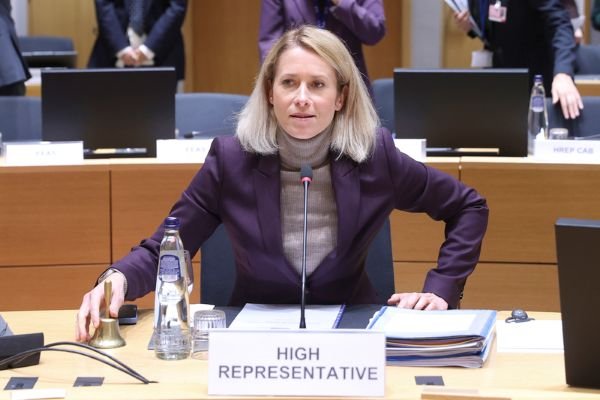
European Union foreign ministers have accused Russia of prolonging negotiations over the war in Ukraine while continuing attacks on the country’s energy infrastructure.
The criticism came as European governments discussed further measures to increase pressure on Moscow and support Ukraine ahead of winter.
European officials warned that continued strikes against power plants and other essential infrastructure could place additional pressure on civilians during colder months.
EU Announces Additional Sanctions
The European Union adopted new sanctions targeting Russian financial institutions and individuals linked to the country’s energy sector and other activities.
The measures also included people accused by the EU of supporting pro-Russian disinformation campaigns.
European leaders say sanctions are intended to increase economic and diplomatic pressure on Moscow.
Russia has repeatedly criticized Western sanctions and rejected accusations that it alone is responsible for the lack of progress in negotiations.
Calls for a Ceasefire
EU foreign ministers emphasized that a ceasefire should be a priority in any effort to reach a lasting settlement.
They argued that meaningful negotiations would require concessions and credible security arrangements.
European governments also reiterated their position that Ukraine must have a decisive role in decisions affecting its sovereignty and territorial future.
Europe’s Role in Future Negotiations
Officials from France, Germany, the United Kingdom, Italy and Poland are expected to participate in discussions concerning Europe’s security interests and Ukraine’s future.
European governments want their concerns reflected in any agreement that could reshape the region’s security arrangements.
Humanitarian Concerns Ahead of Winter
Damage to Ukraine’s electricity and heating systems remains a major concern.
Continued attacks could disrupt access to power, water and essential public services.
As diplomatic discussions continue, the humanitarian consequences of the war remain central to international calls for an end to hostilities.